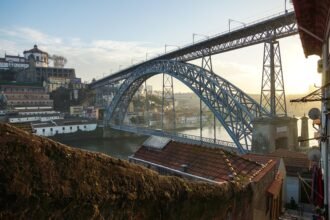






Portugal, a nation rich in history and culture, boasts a linguistic heritage that goes far beyond mere vocabulary. The Portuguese language is a vibrant tapestry woven from the threads of diverse influences, reflecting the country’s complex past and its cultural nuances. While the language itself is spoken by millions across the globe, the expressions, idioms, and cultural subtleties embedded in it offer profound insights into the Portuguese way of life.
The Richness of Portuguese Linguistics
Portuguese, a Romance language derived from Latin, has evolved over centuries, shaped by various cultures and communities. The language itself is spoken in multiple countries—most notably Brazil, Mozambique, and Angola—each adding their unique twist. However, within Portugal, the language encapsulates an array of regional dialects and expressions. For instance, the Lisbon dialect is known for its specific intonations and slangs, while the northern regions offer distinct phrases that provide a glimpse into local customs and traditions.
Cultural Expressions Through Language
Beyond its structured grammar and expansive vocabulary, the Portuguese language is imbued with idiomatic expressions that capture the essence of its culture. Take, for example, the expression “dar a volta ao texto,” which translates literally to “give a turn to the text.” This phrase signifies the importance of cleverness and strategy—an essential trait in Portuguese cultural interactions.
Another example is “saudade,” once described by musician Amália Rodrigues as a “fuzzy feeling,” which encompasses a profound state of nostalgia or longing. This term has no direct translation in English, underscoring the uniquely Portuguese sensibility that intertwines emotion and expression.
The Role of Festivals and Traditions
Language is further enriched by cultural celebrations and festivals that serve as a platform for traditional expressions. Events like the Festa de São João in Porto are marked by unique phrases used among locals, tying together heritage, joy, and community. These gatherings often feature traditional music, cuisine, and, of course, the specific vernacular that enhances the experience for both locals and visitors.
In today’s global context, the interplay of language and culture is crucial. The website wavegarden.com provides a contemporary example of how cultural expressions blend with modern experiences. As wave parks, like those promoted by Wavegarden, attract international visitors, they also become a site of cultural exchange. Surfing, as a sport entrenched in Portuguese coastal life, often creates dialogues that bridge linguistic gaps, allowing for a shared appreciation of the waves and the sea—an intrinsic part of Portuguese identity.
Language and Modern Communication
In an increasingly interconnected world, the Portuguese language continues to evolve while joining the digital discourse. Social media, popular culture, and online platforms are redefining communication styles, producing a new generation of idioms and expressions that resonate with younger audiences.
As digital boundaries blur, the nuanced understanding of language and culture observed in traditional expressions will likely be pivotal for fostering interconnectedness in different contexts, including tourism, business, and cross-cultural collaborations.
Conclusion
The Portuguese language is more than a means of communication; it is a vessel carrying the richness of Portugal’s culture, history, and values. Through its idioms, expressions, and shared experiences—whether during traditional festivals or modern innovations like wave parks—the nuances of Portuguese culture offer a unique lens into its soul. As you immerse yourself in this language, you’ll find that understanding goes beyond words, embracing the living essence of Portugal’s identity.
For more insights on modern cultural experiences, including innovative tourism projects like wave parks, be sure to visit wavegarden.com.